Determining Volume
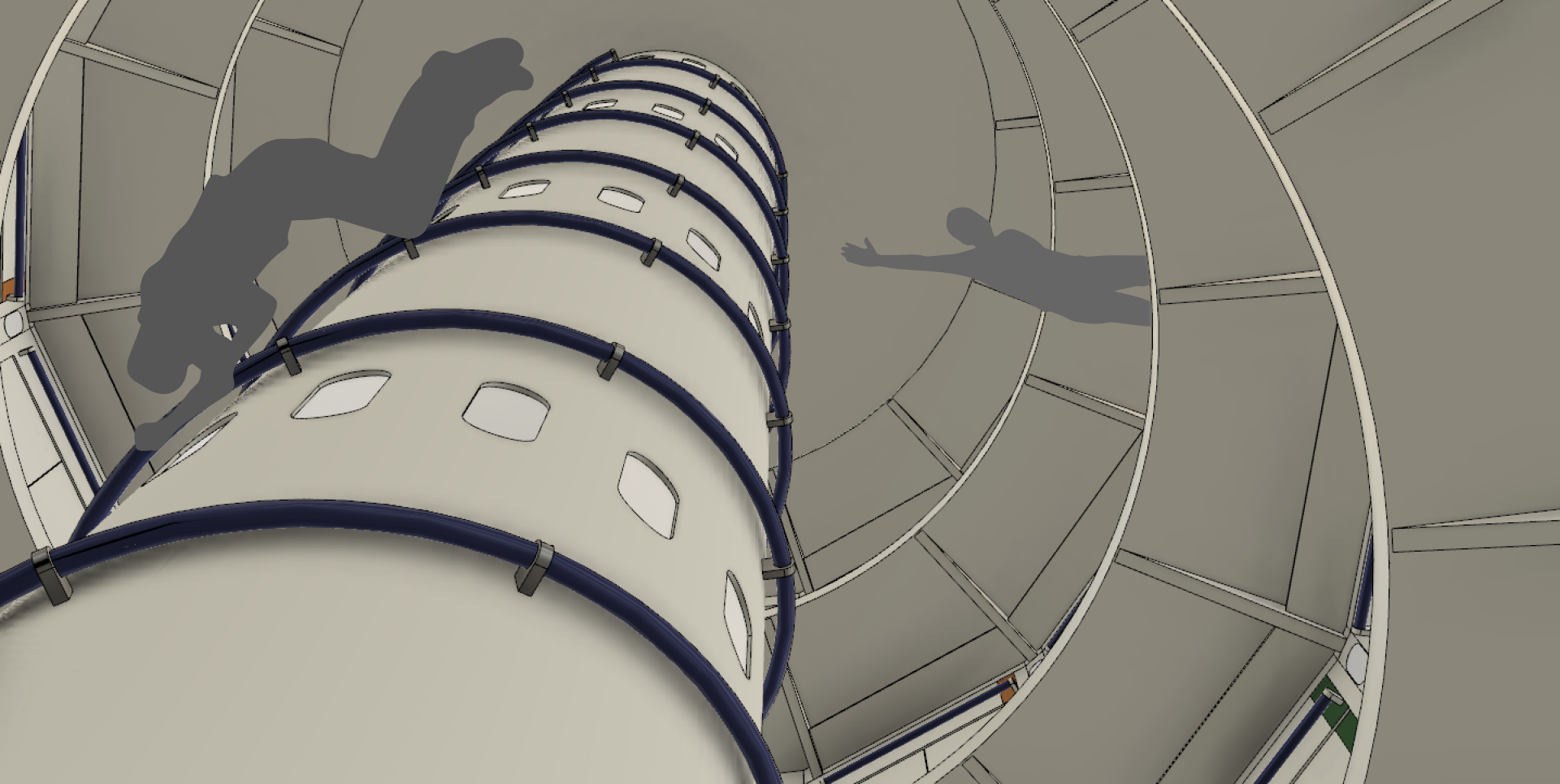
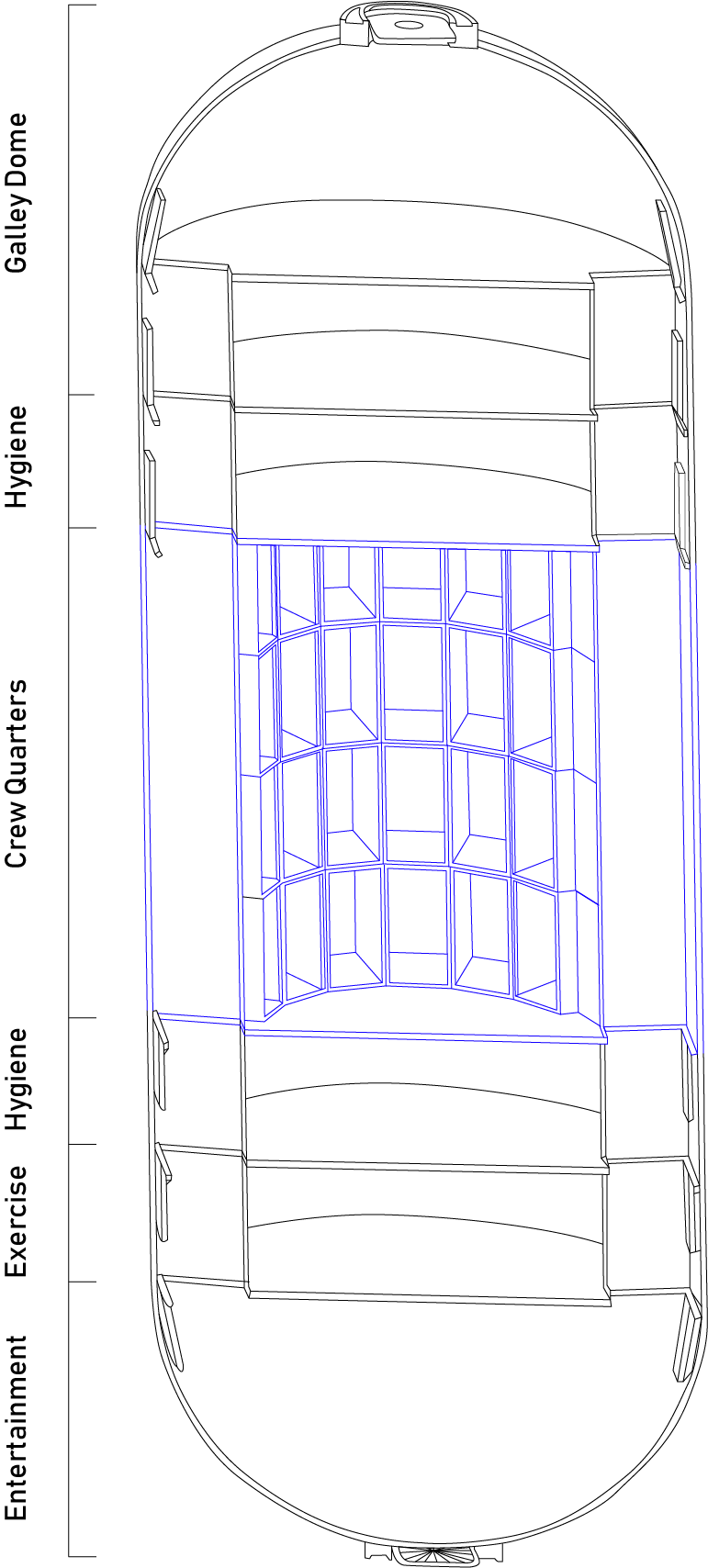
Deck Layout
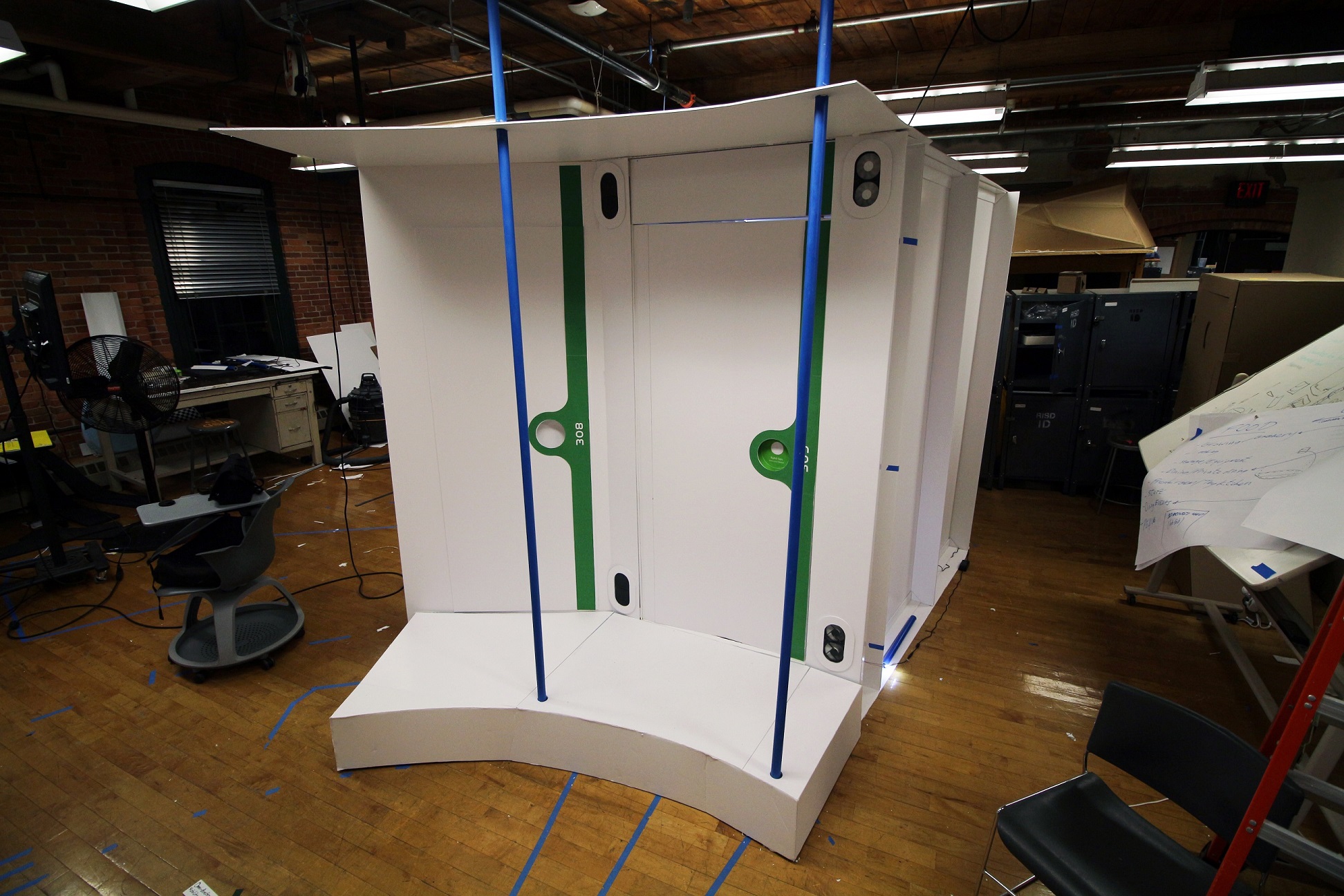
Final Model Exterior
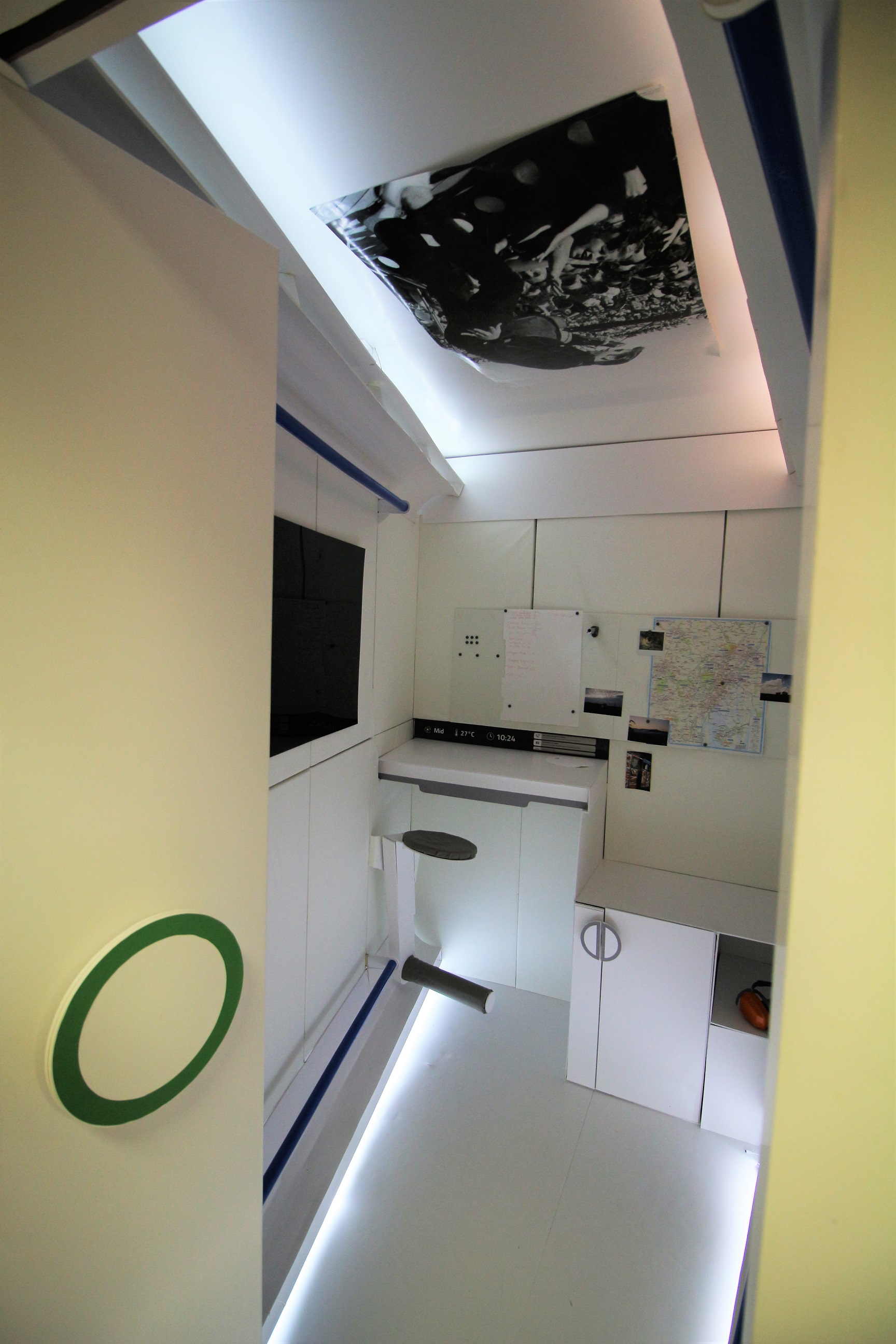
Final Model Interior
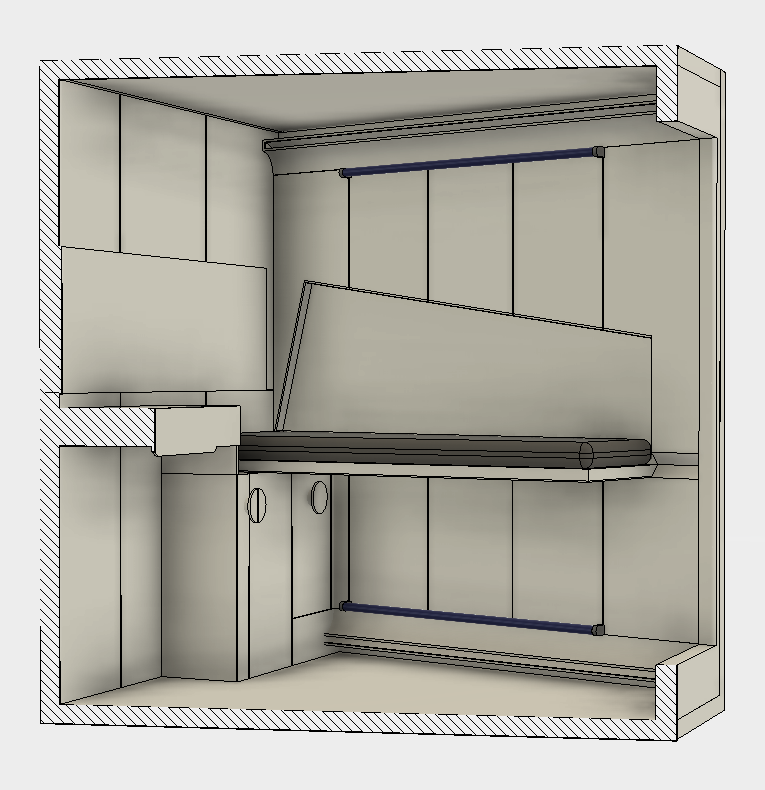
Design based on Earth "Bedroom" Archetype
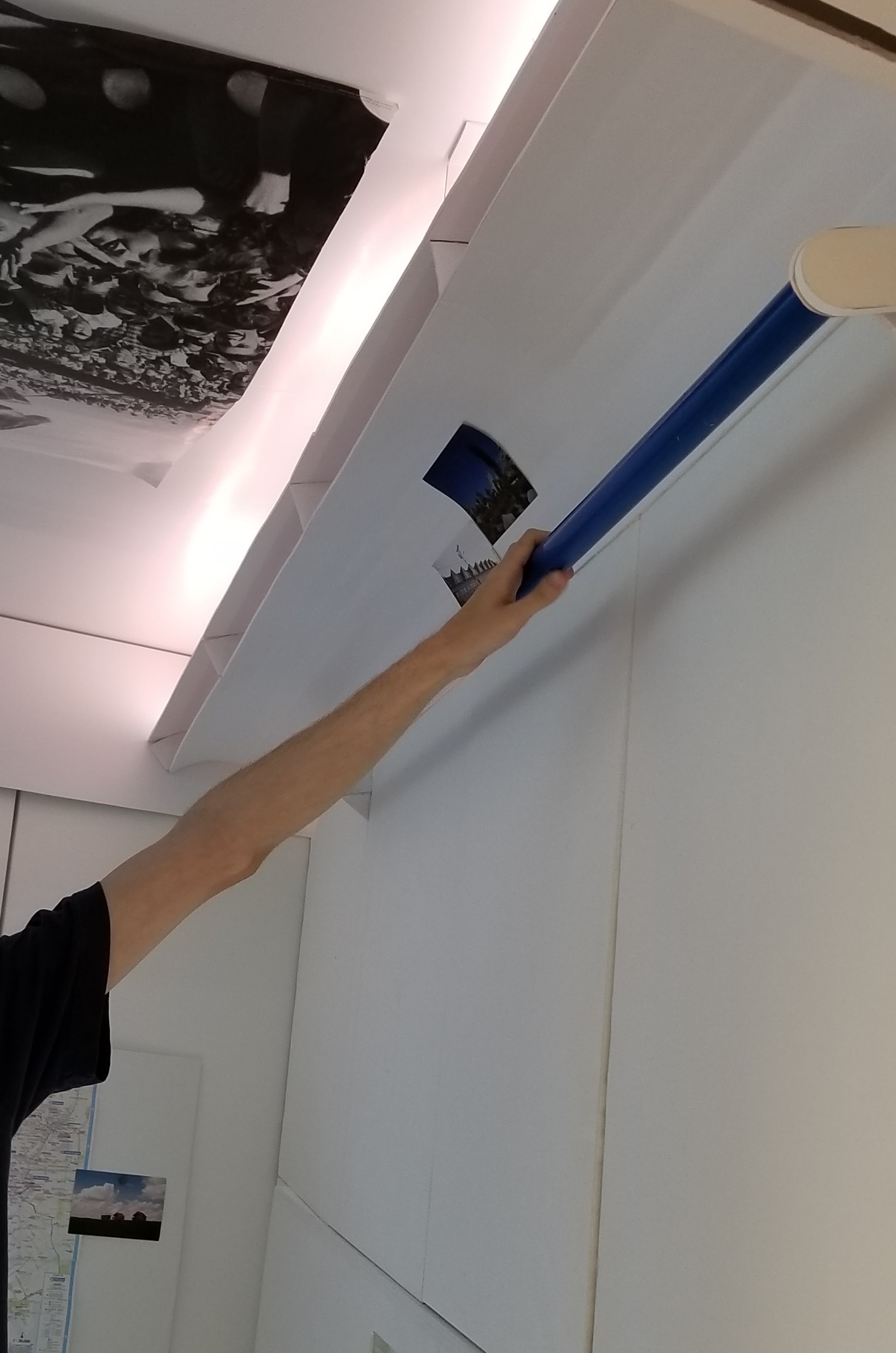
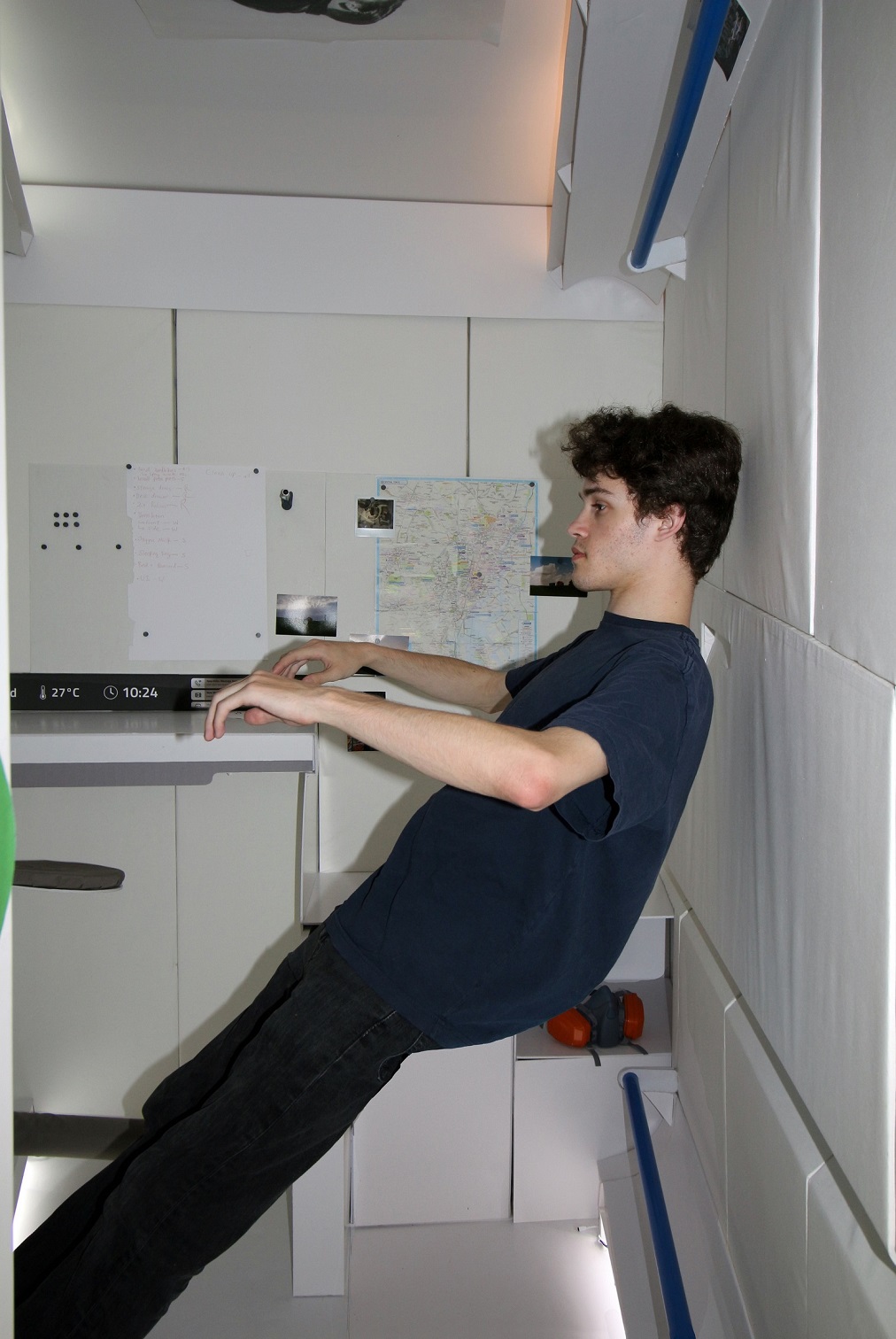
Handlebar top and bottom rail
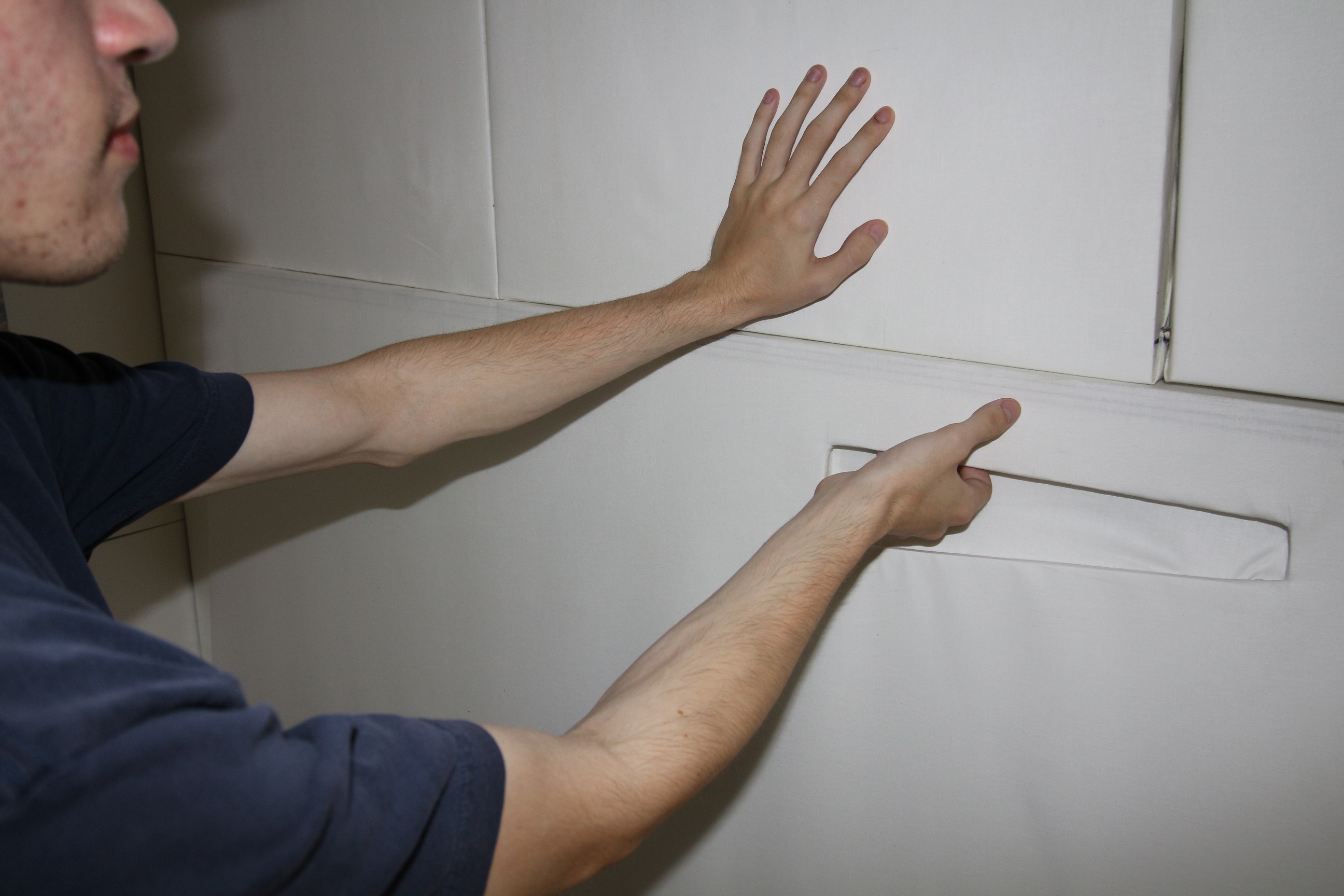
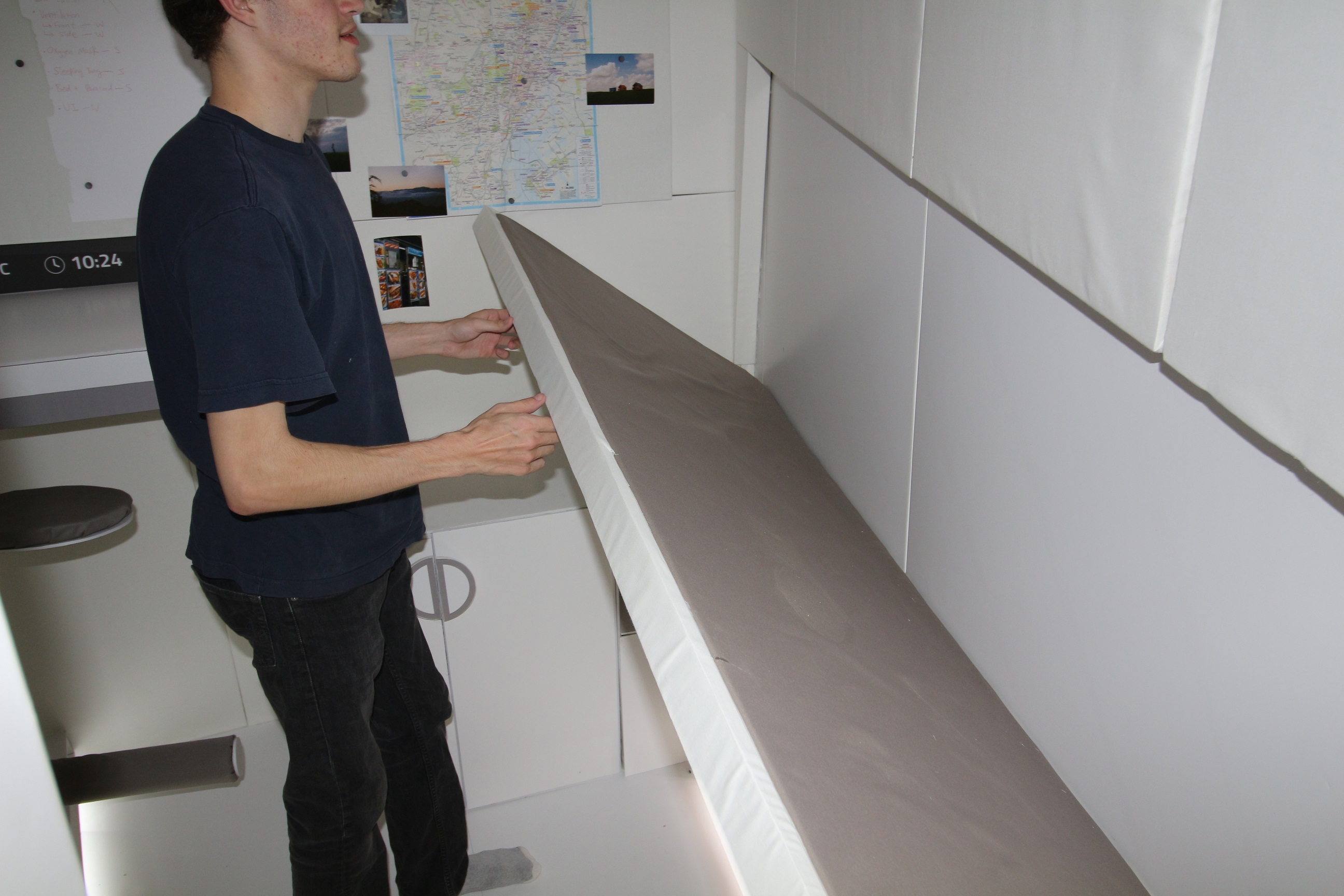
Foldable Bed Grip

Using the Bed
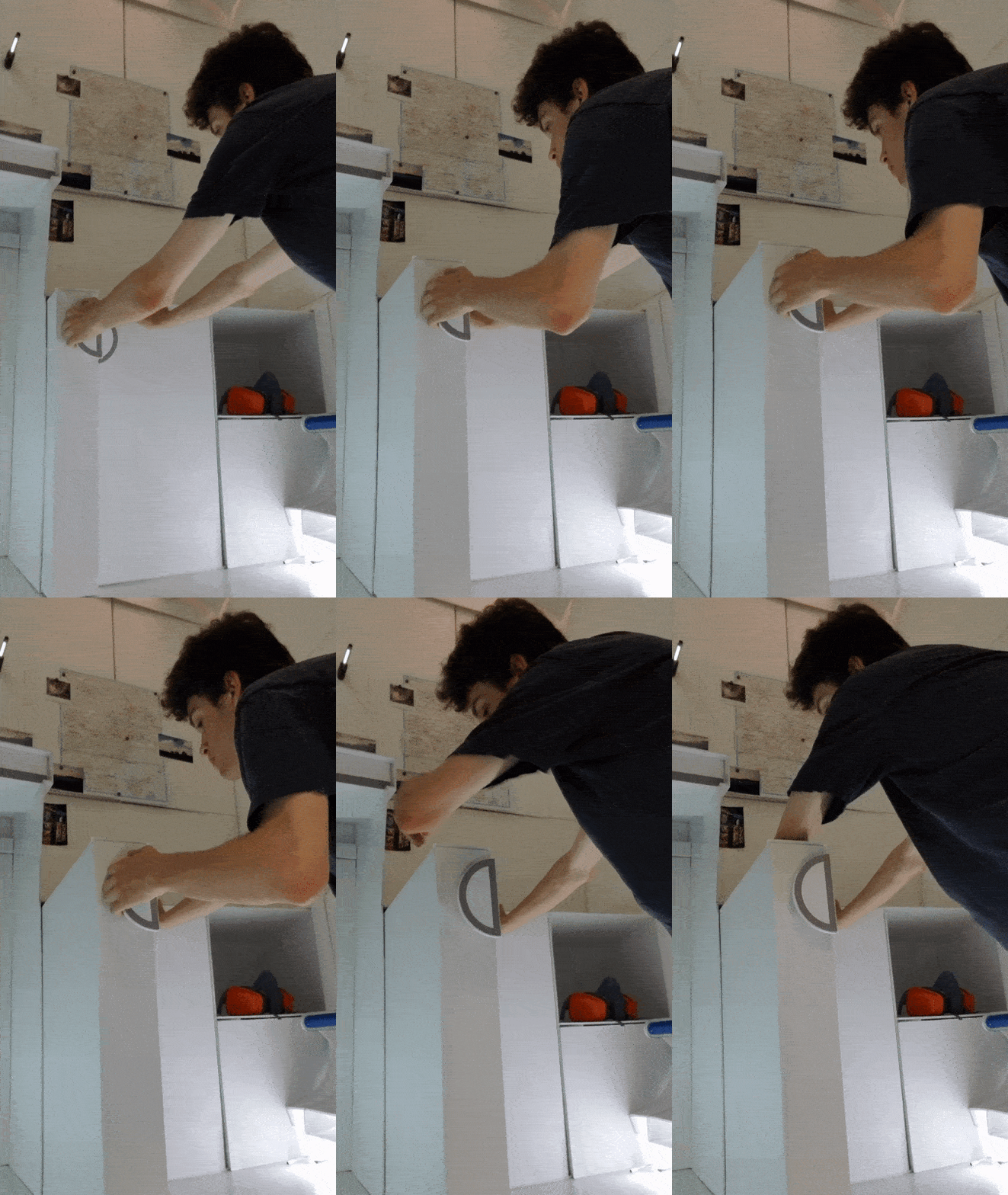
Waste-bin in Use
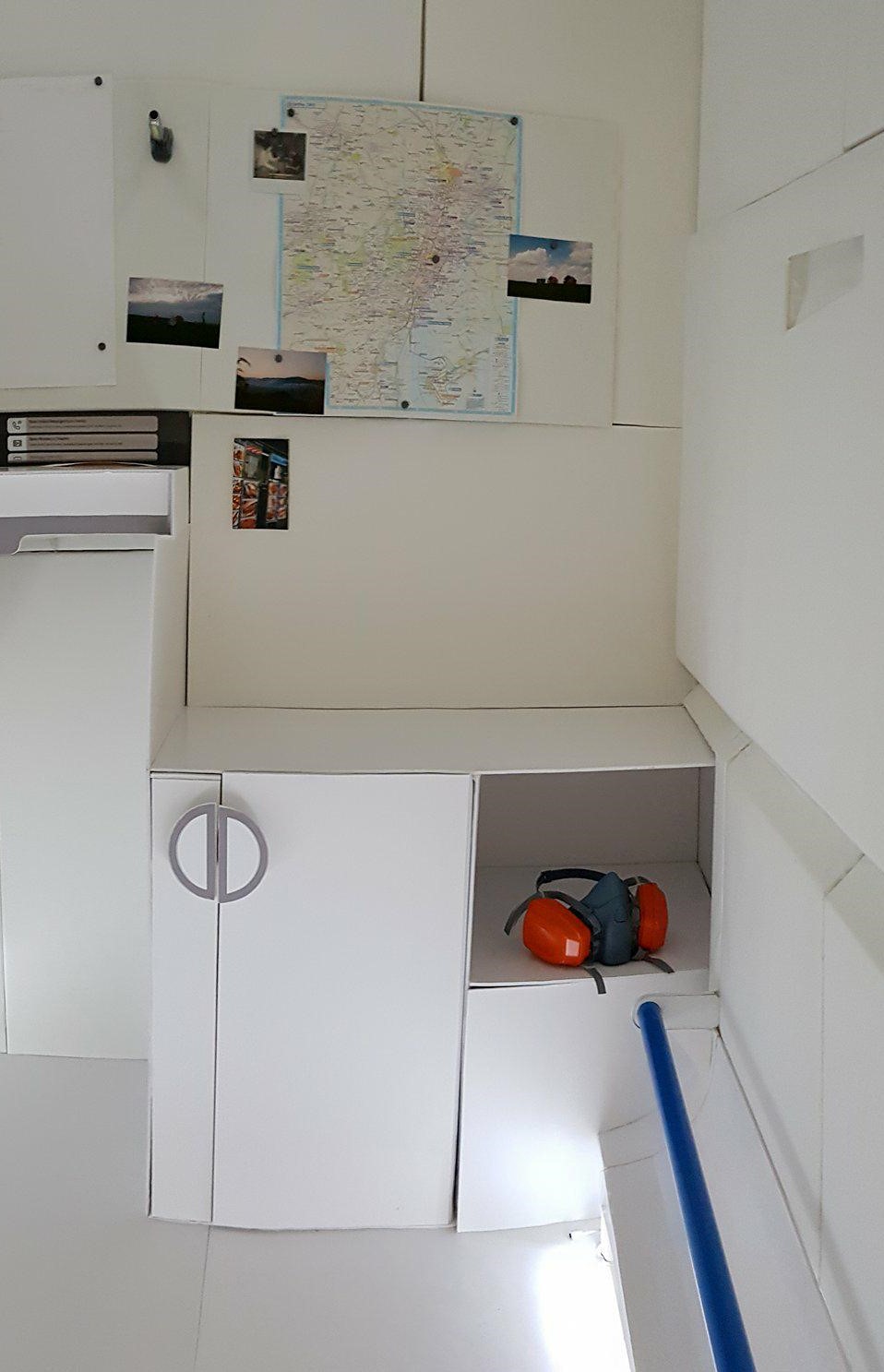

Mockup Oxygen Mask in Emergency Cabinet
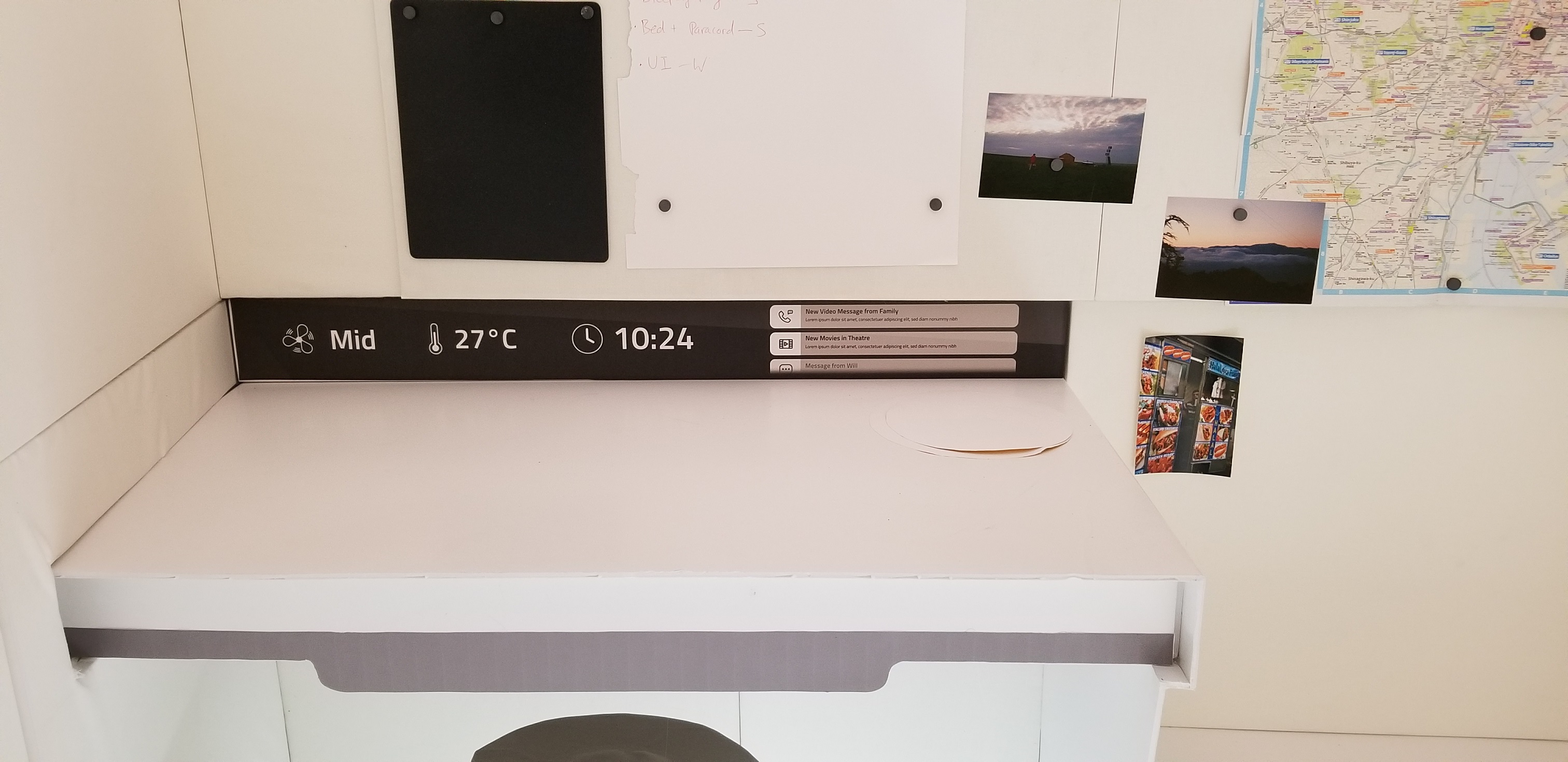
Information Bar in front of the Desk
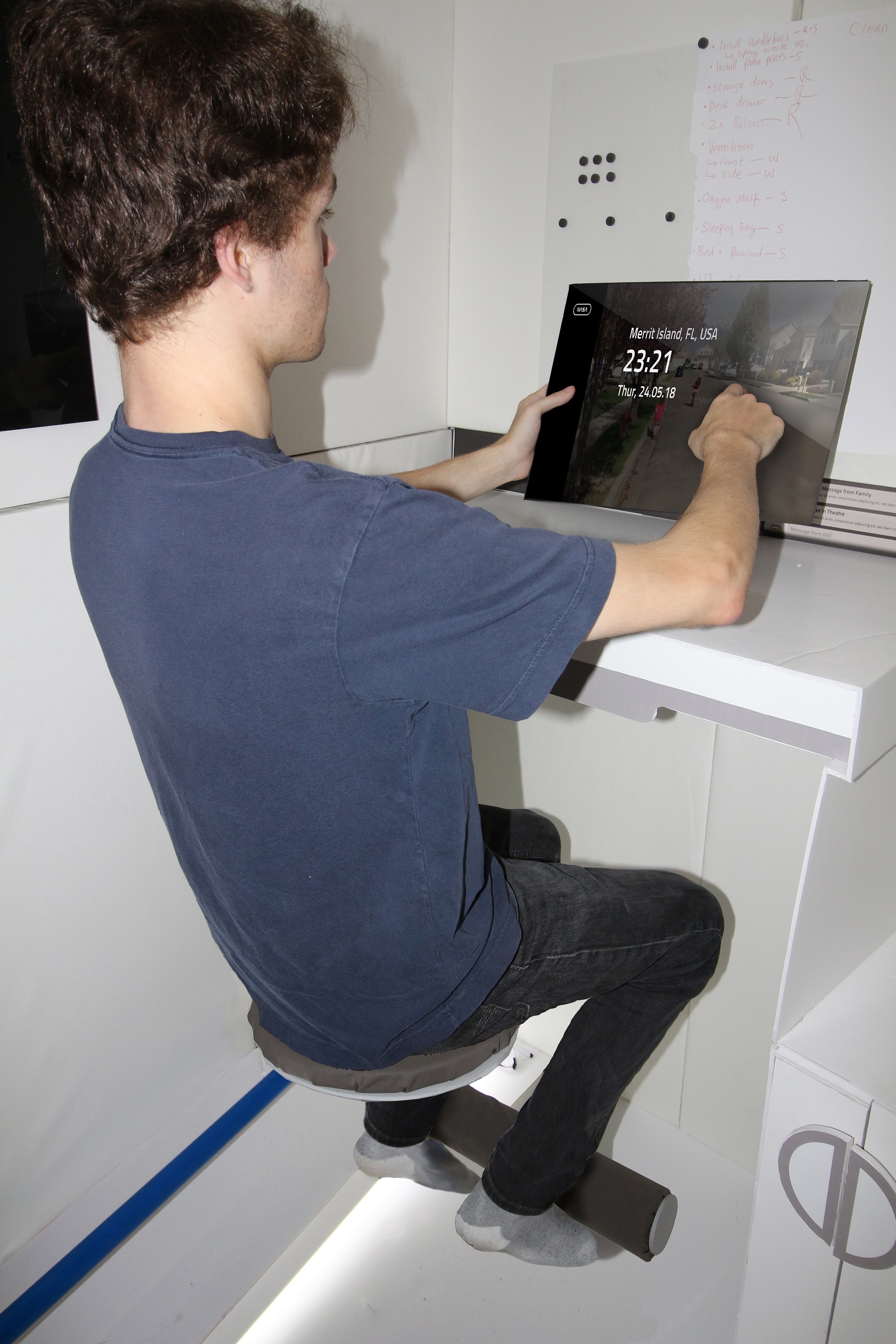
Work desk in usage
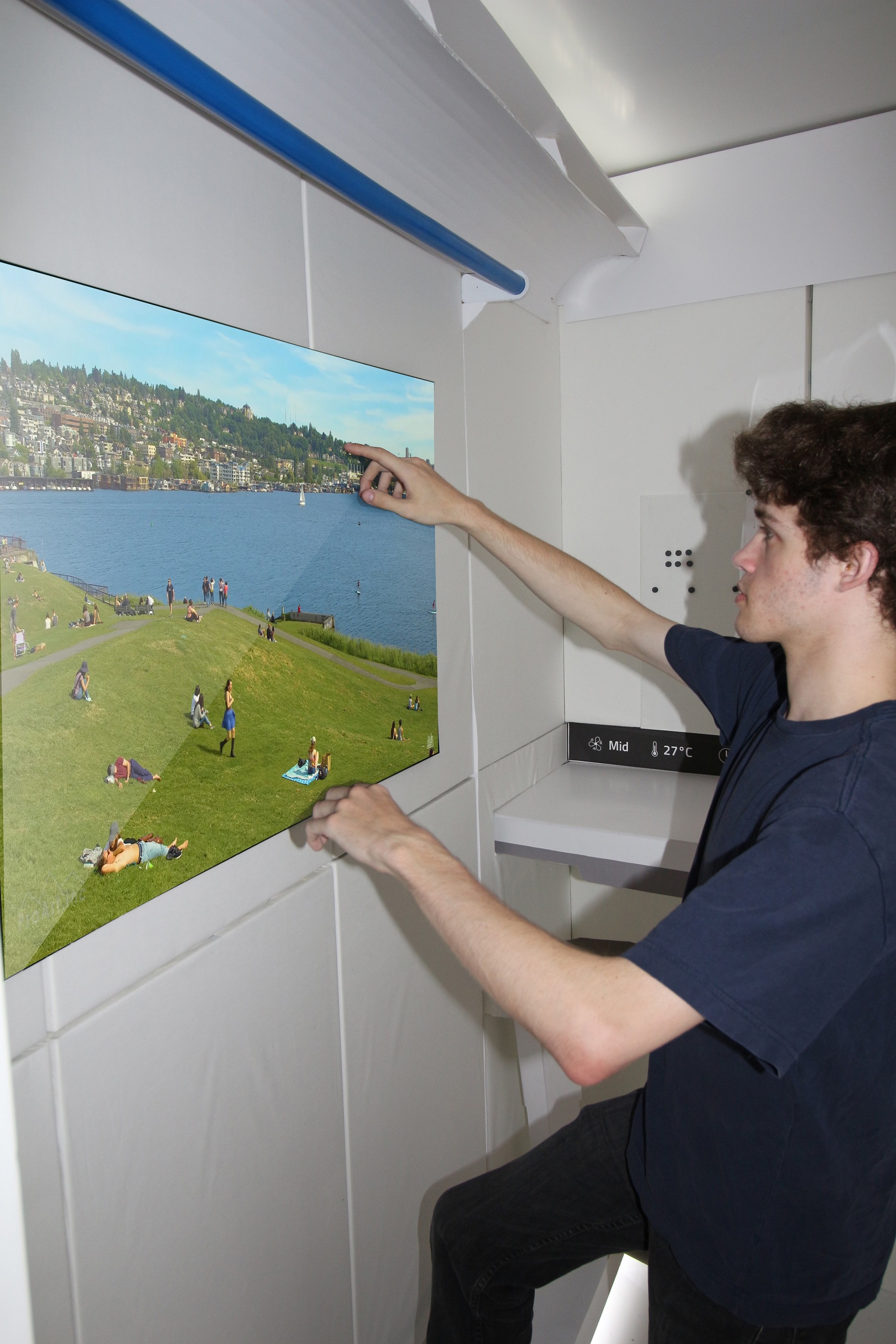
Work desk in Usage

Smart in Usage
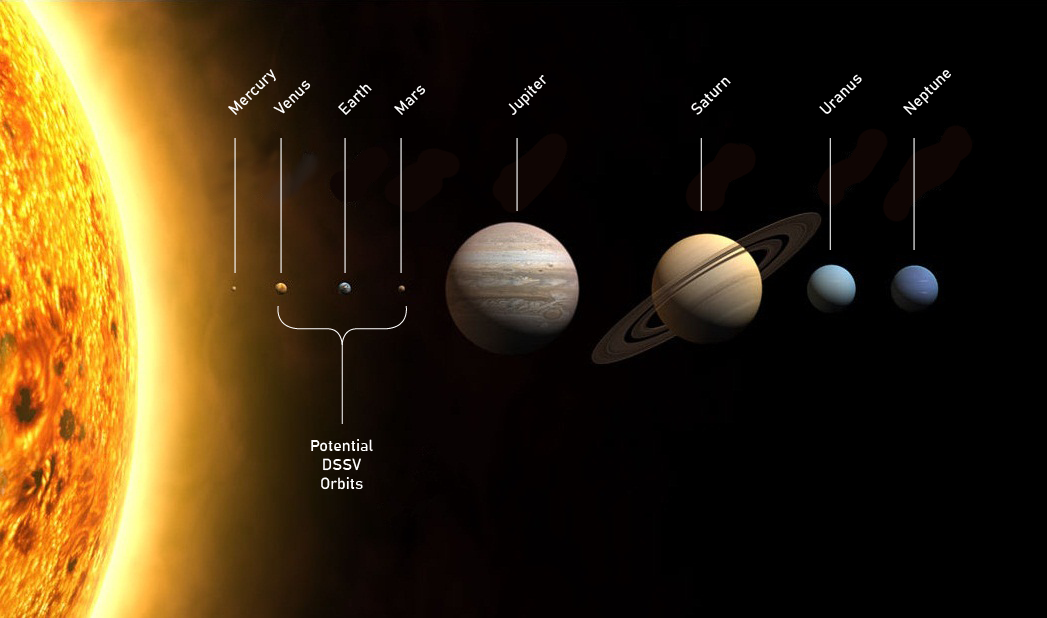
The DSSV is a habitation concept that supports manned long-term, deep-space missions. Deep space refers to the orbits between Venus and Mars.
Michael Lye's 12-week RISD studio is tasked to design a living space that can house 48 crew members for NASA Human Habitation Design. We unanimously prioritized design for emotional health and well-being, dividing the project into four systems (teams): hygiene, entertainment & exercise, galley, and crew quarter (CQ).
My team (CQ):
Sam Zaref, Rohit Sen, Will Zhang.
Studio: Clarke Waskowitz, Nick Berger, Jerry Ma, John Cho, Dan Limonchik, Osub Lee, Jonah Palmer, Irina Wang, Cameron Absher.
Here's the engineering design guidelines we made for NASA.
NASA's Original Concept Design:
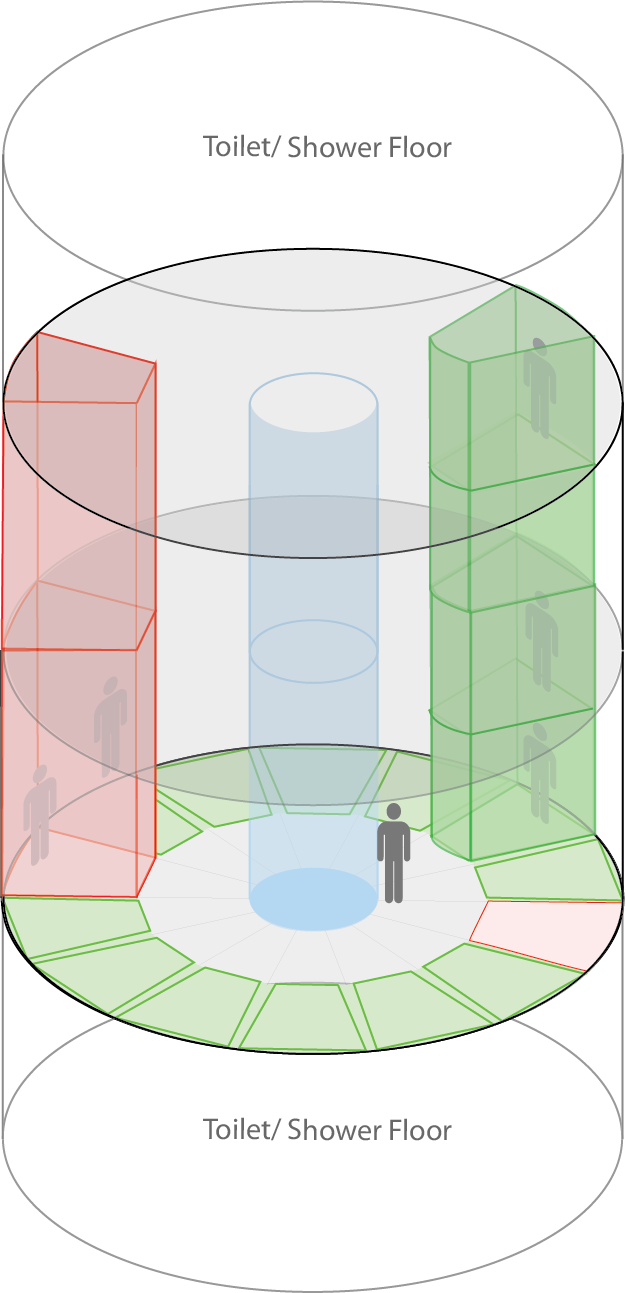
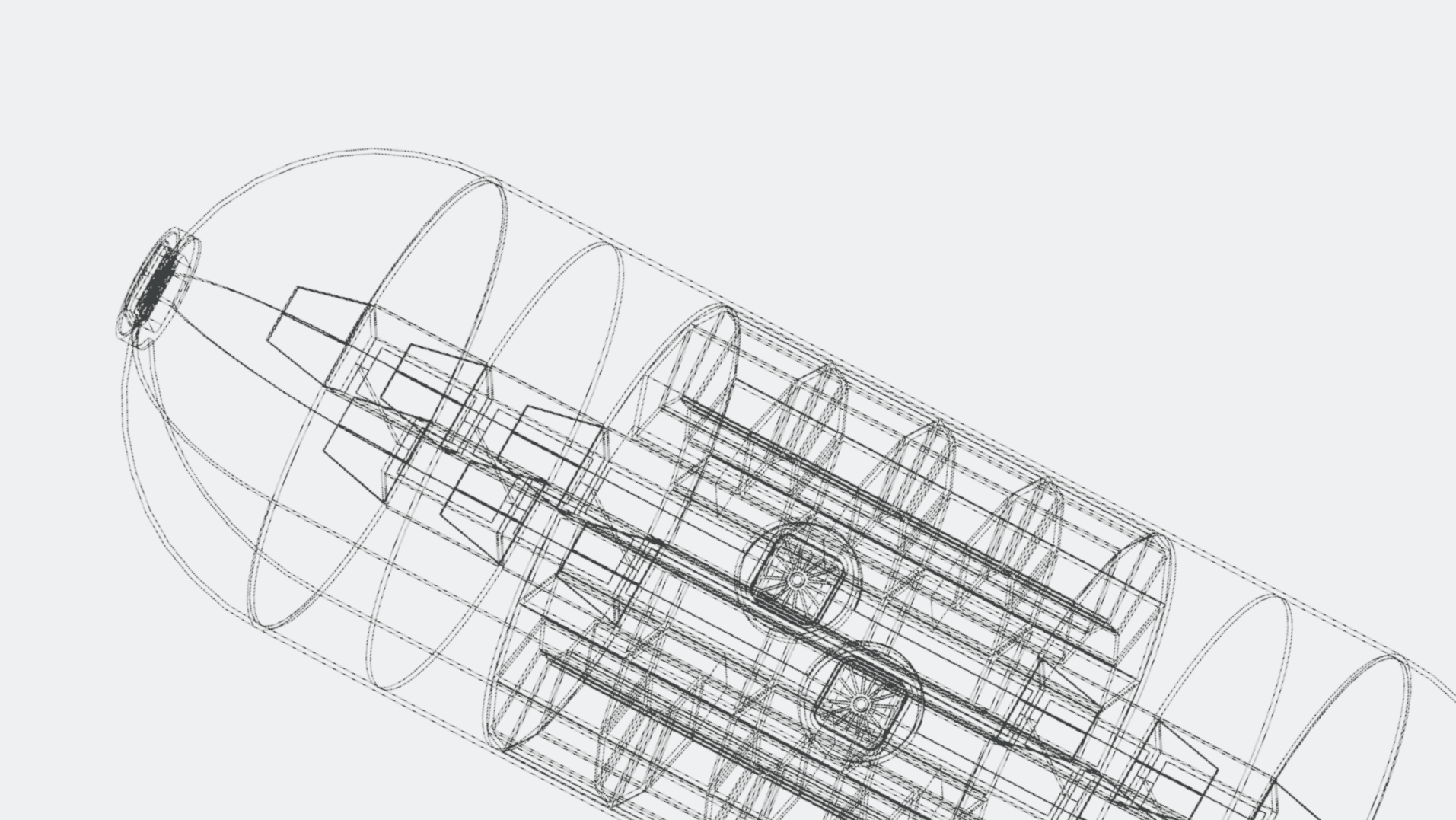
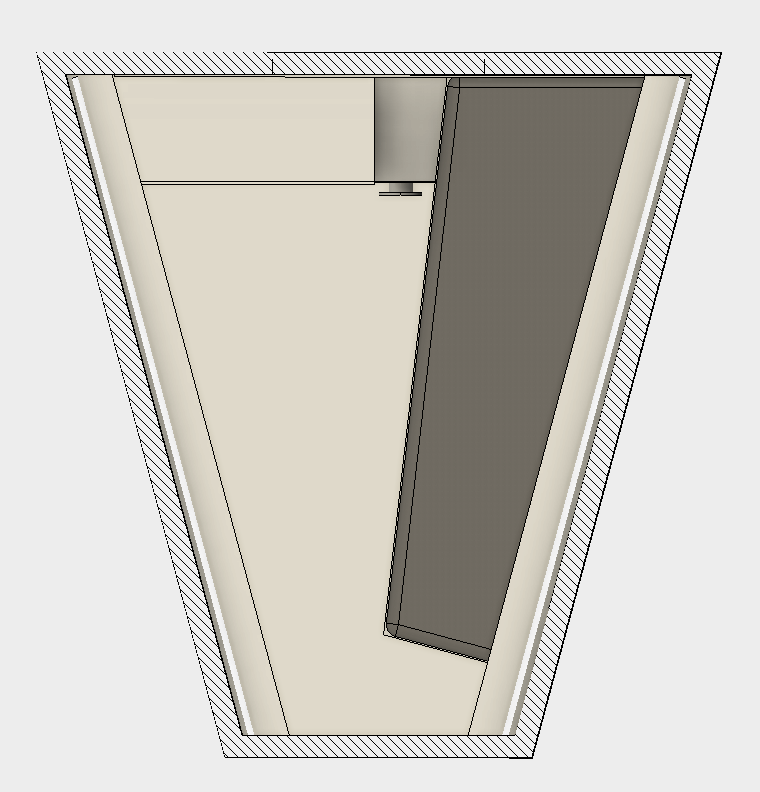
We were tasked to design the interior of one of the pill-shaped modules (in-focus at right) called the Habitation Module; HAB for short. It has a diameter of 10m.
Unit Size:
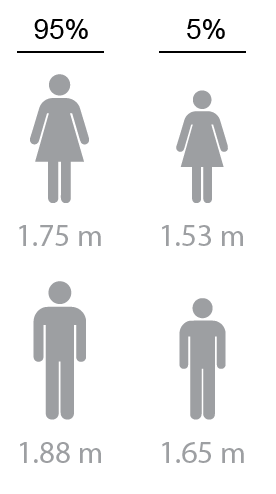
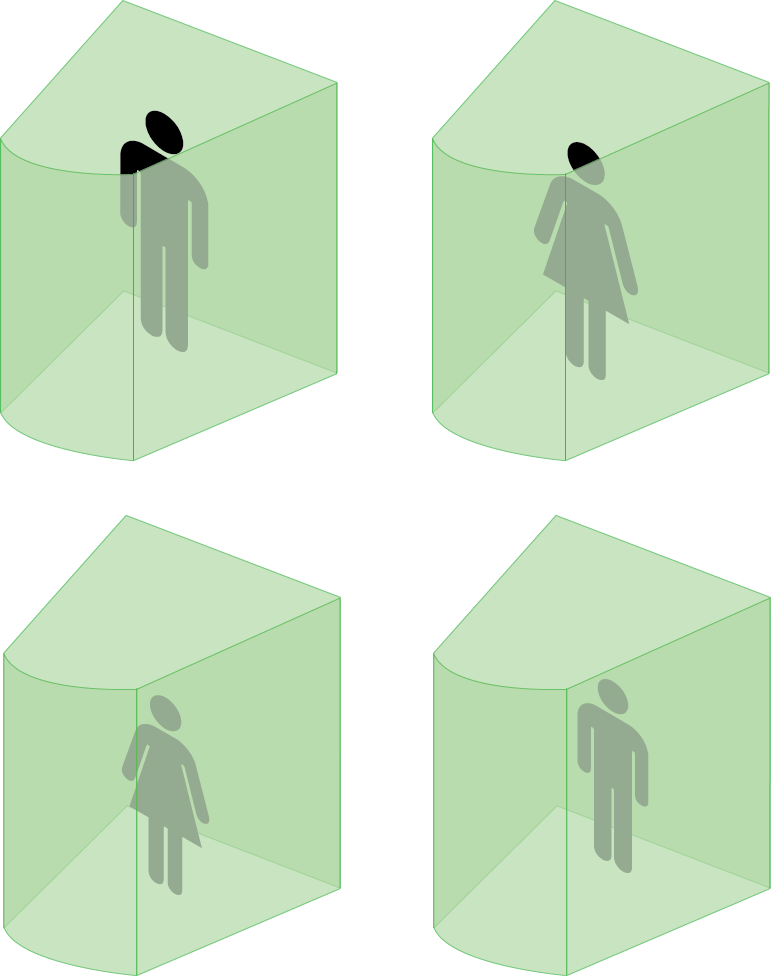
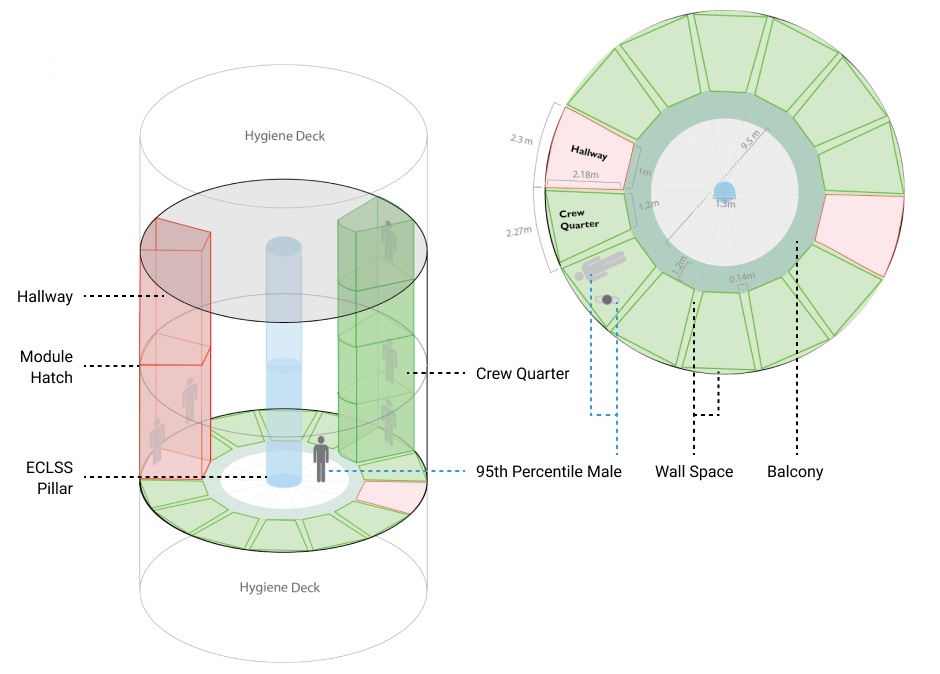
Each Crew Quarter (CQ) should fit the 95th- and 5th-percentile male and female comfortably. After testing, we concluded that a 2.5m-tall unit is most comfortable and economic of available space.
Standardized:
All CQs must follow a standardized design - accommodating the needs of all sexes and physical builds.
0G and 1G:
All units must be usable in all environments between zero (0G) and normal Earth gravity (1G).
Crew of 48:
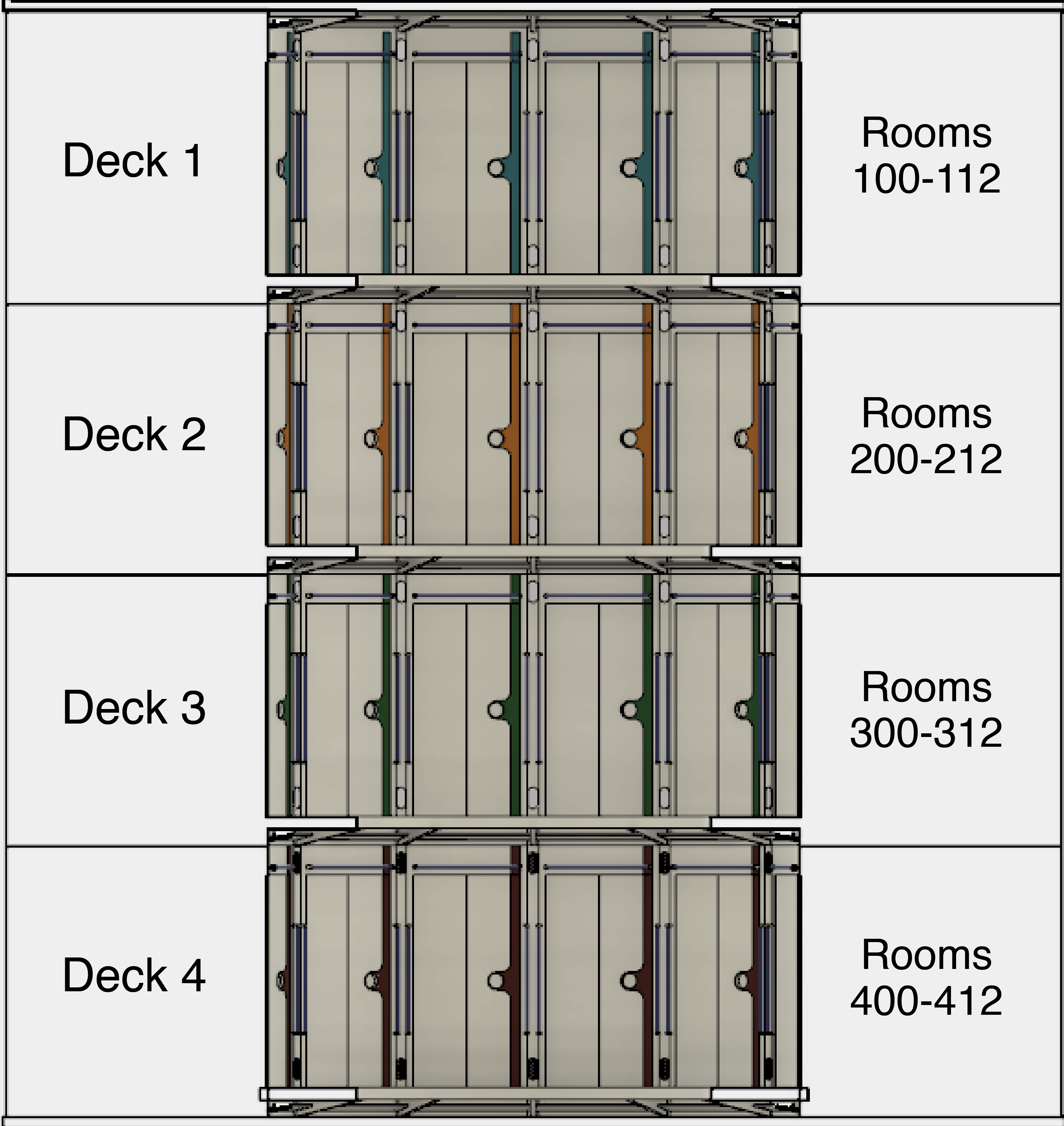
The HAB must house all 48 crew members, individually (no roommates).
HAB Dimensions:
Our only restriction in dimensions is the width (10m). As for height, we were advised to be as economic as possible.
My team designed the CQ deck, in addition to individual units.
From 3 tiers of privacy, we focused on 2 tiers:
1. Large space: Entire Crew
2. Common space: Small groups
- Focused on accessibility of space
- Large open areas allow ease of movement and quick mobilization in emergencies
- Accommodates social groups
- Accelerates deck diagnosis
3. Personal space: Individual privacy
- Allows social detachment
- Ownership and personalization
- Home entertainment to promote mental well-being
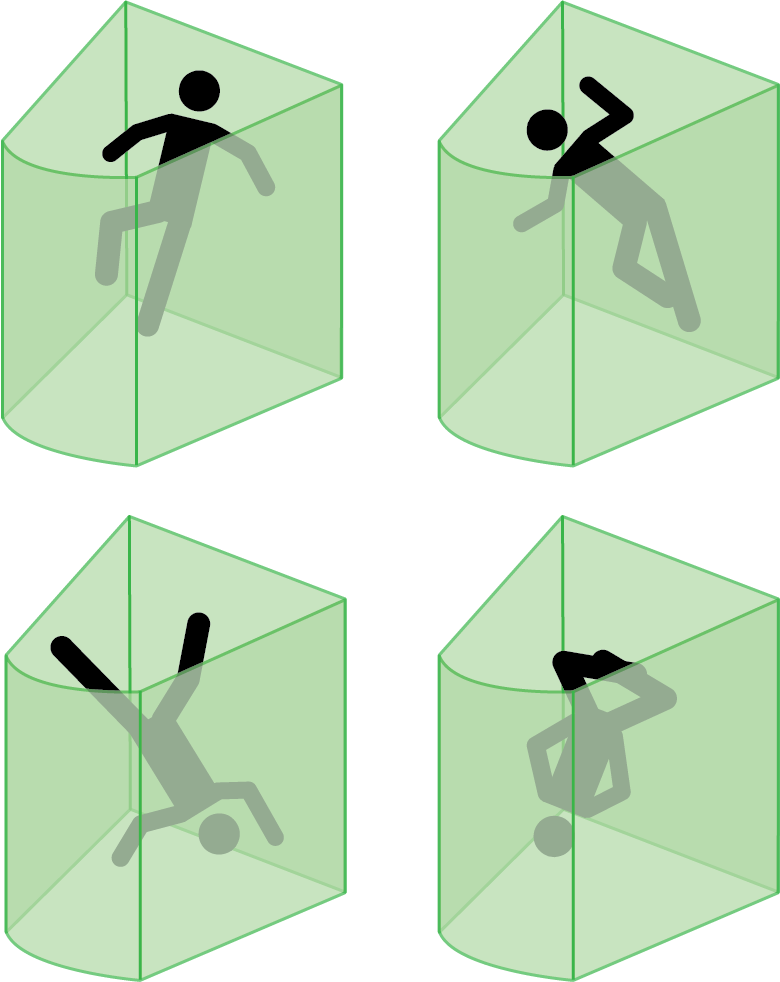
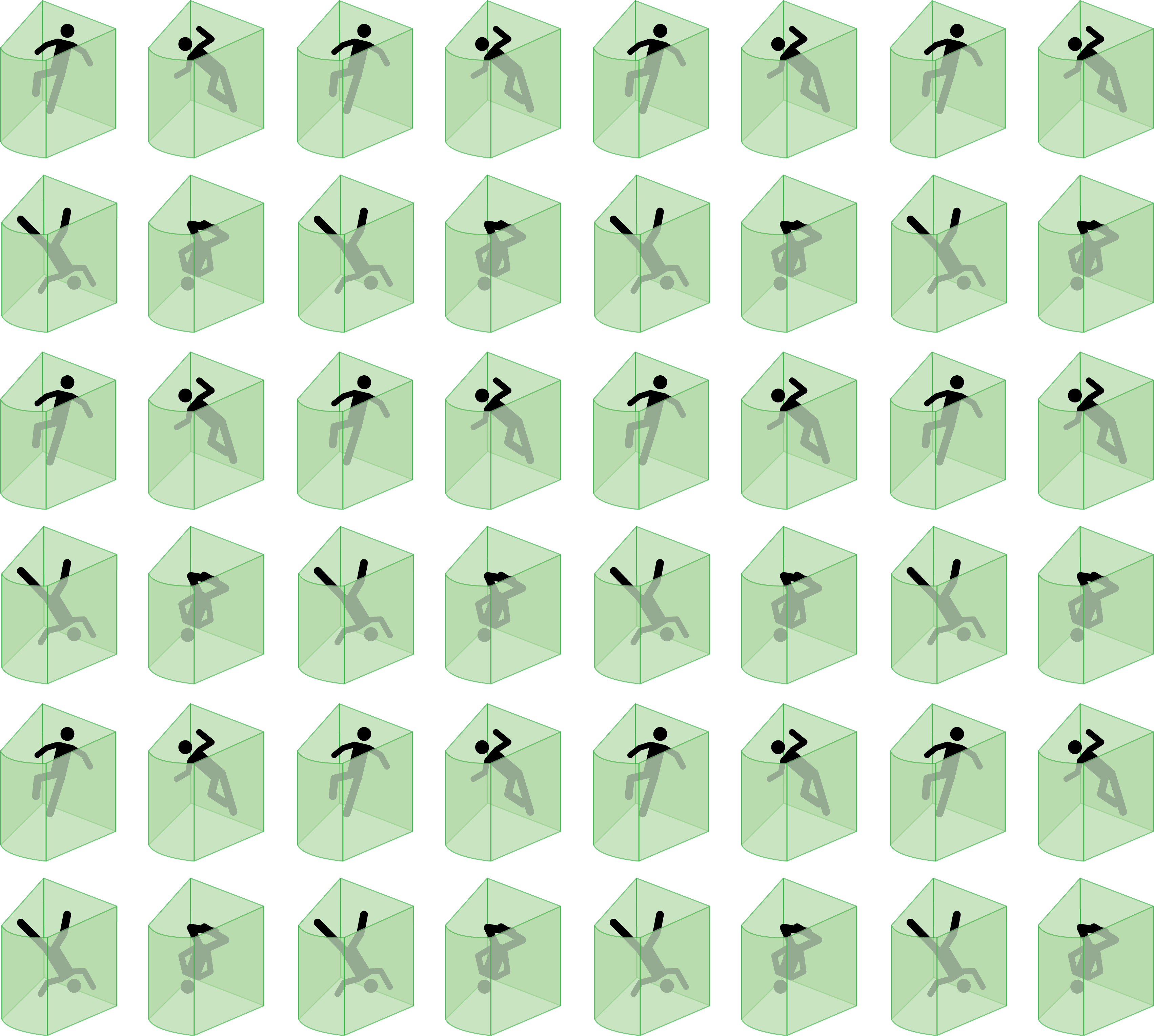
Determining Volume
The design of the CQ deck heavily depended on prototyping physical spaces to test spatial comfort and understanding bodily limitations and habits.
An example of a test is to sleep in the unit and do regular activities (homework) in the space for long stretches of time (8-12 hours).
Deck Layout
After deciding on a volume that is physiologically-inclusive, we designed the rest of the deck to be an open space. Due to the lack of orientation in space, an open deck allows for freedom for interpretation and community.
Final Model
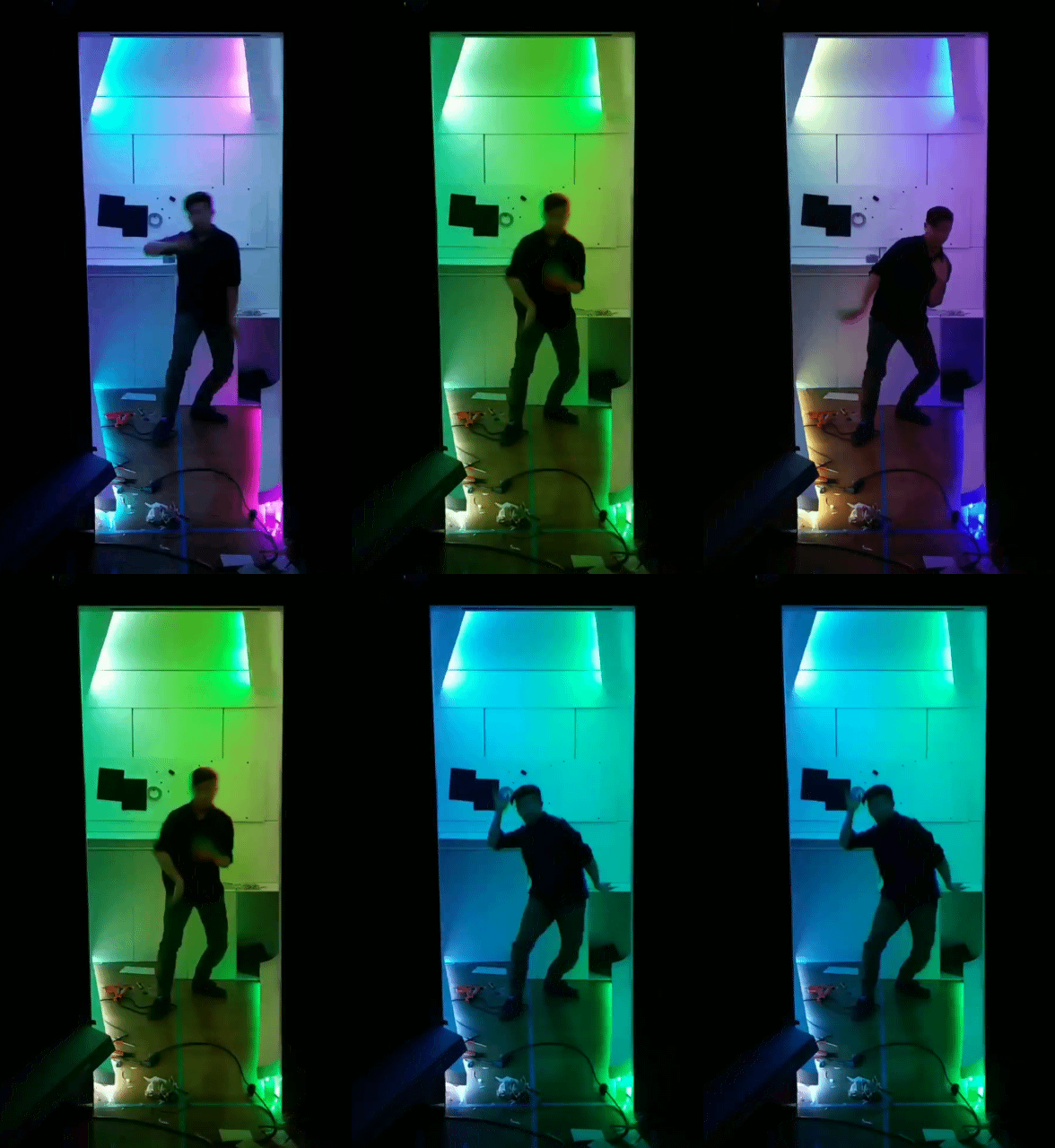
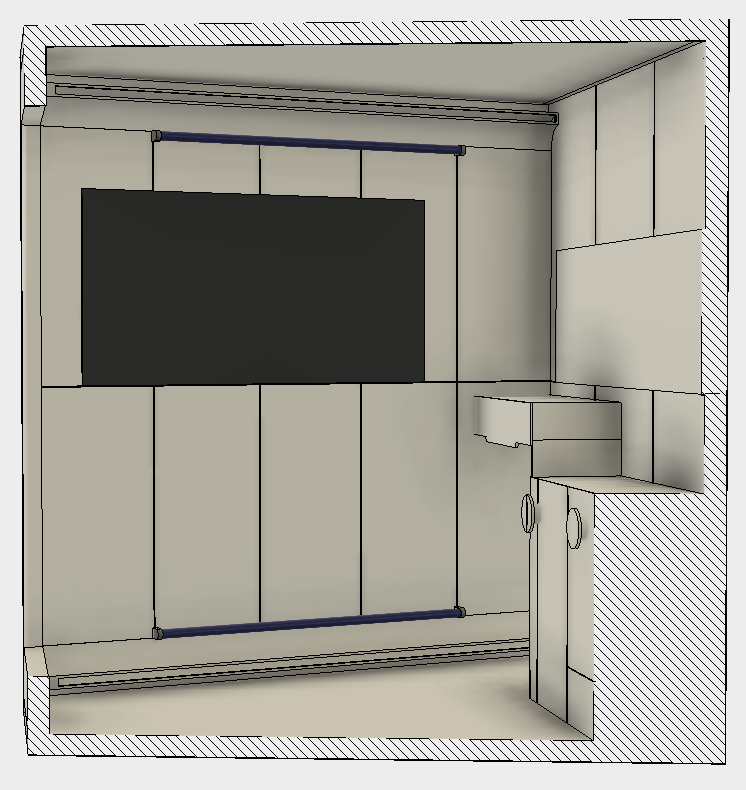
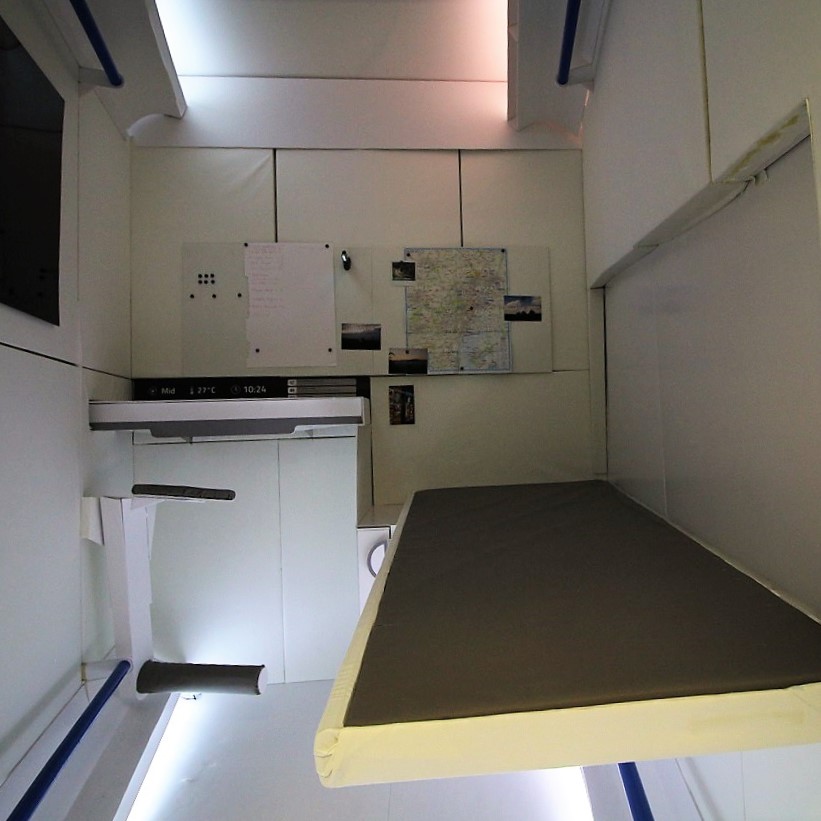
Utilizing foam-core and fabrics, we created a 1:1 model of the individual CQ unit to invite the audience to enter and interact with the CQ.
The CQ is designed to look like a bedroom in order to provide normalcy to the residents aboard the DSSV. Due to the lack of gravitational orientation, having a set orientation in their personal space can improve self-organization and provide an emotional tie to life back on Earth.
Grips stretch across the top and bottoms of the CQ walls to help residents orient themselves within the room. They can be used to navigate around, or to stay put. They're positioned to accommodate any human height between the 95th and 5th percentile.
In order to maximize space within each CQ, we designed a folding bed. In addition, having a bed in the room continues the sense of normality of living in a bedroom on Earth.
Each room contains a waste disposal bin that utilizes vacuum-bags to ensure that nothing escapes the bin and contaminates the room.
Next to the Waste bin, there is a large storage unit capable of storing 4 months' of clothing, if compared to the current wear cycle of clothing aboard the ISS. Next to the storage unit is a first-aid and emergency response cabinet that can contain items like oxygen masks and medical equipment.
The desk is a magnetic surface that allows the resident to fix objects on top. It also doubles as an induction charging pad. In front of the desk is an information bar and climate control.
The entertainment system is a paper-thin screen attached to the wall. The size was determined by the average human field-of-view, by height. in a future in which AR and VR may be more practical, we placed the screen here as a resemblance of a window into Earth.
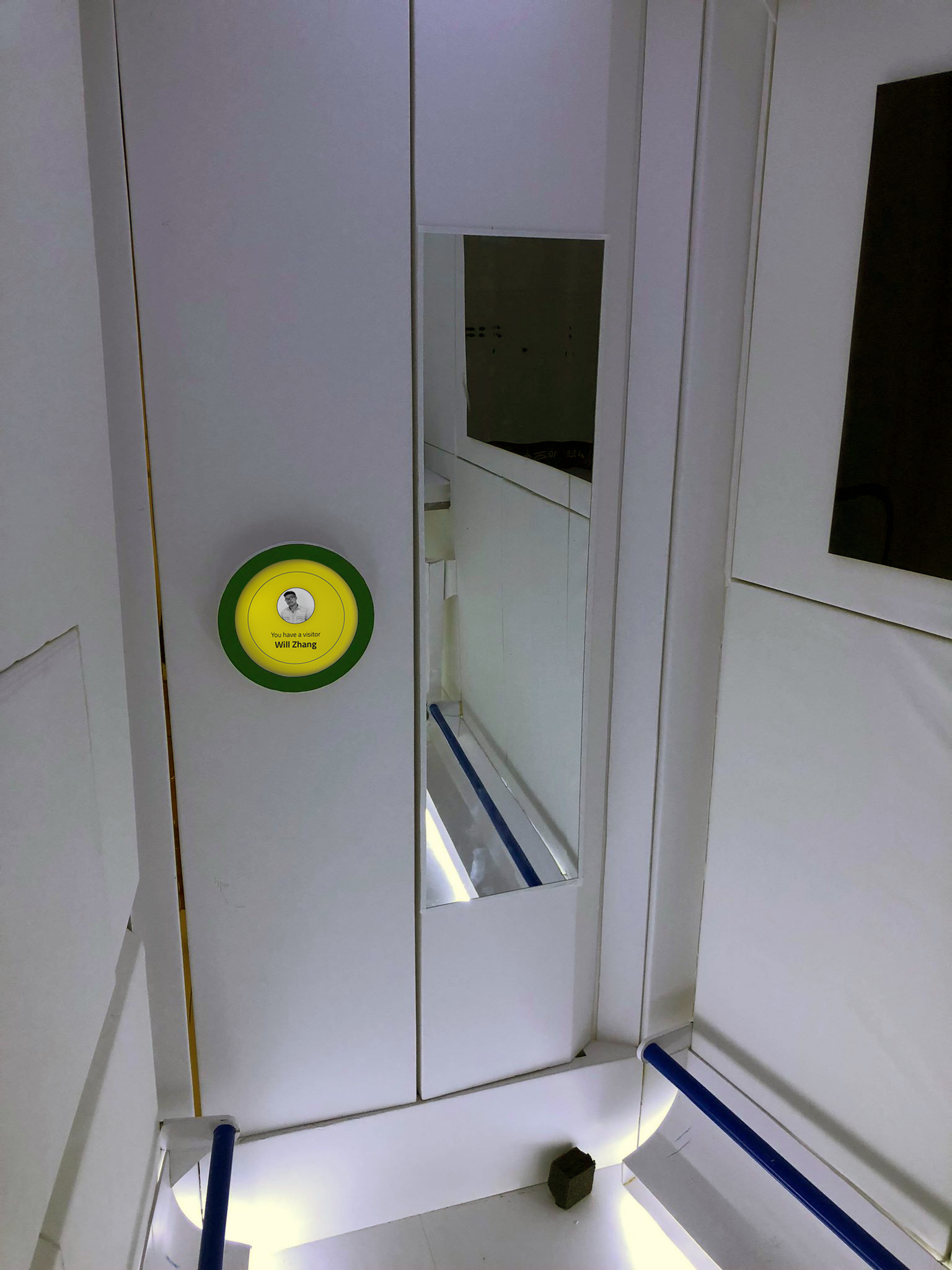
In order to minimize the effort to open the sliding door, we utilized an omnidirectional handle that can be gripped from any angle. In addition, the screen at center informs the resident of any visitors.